
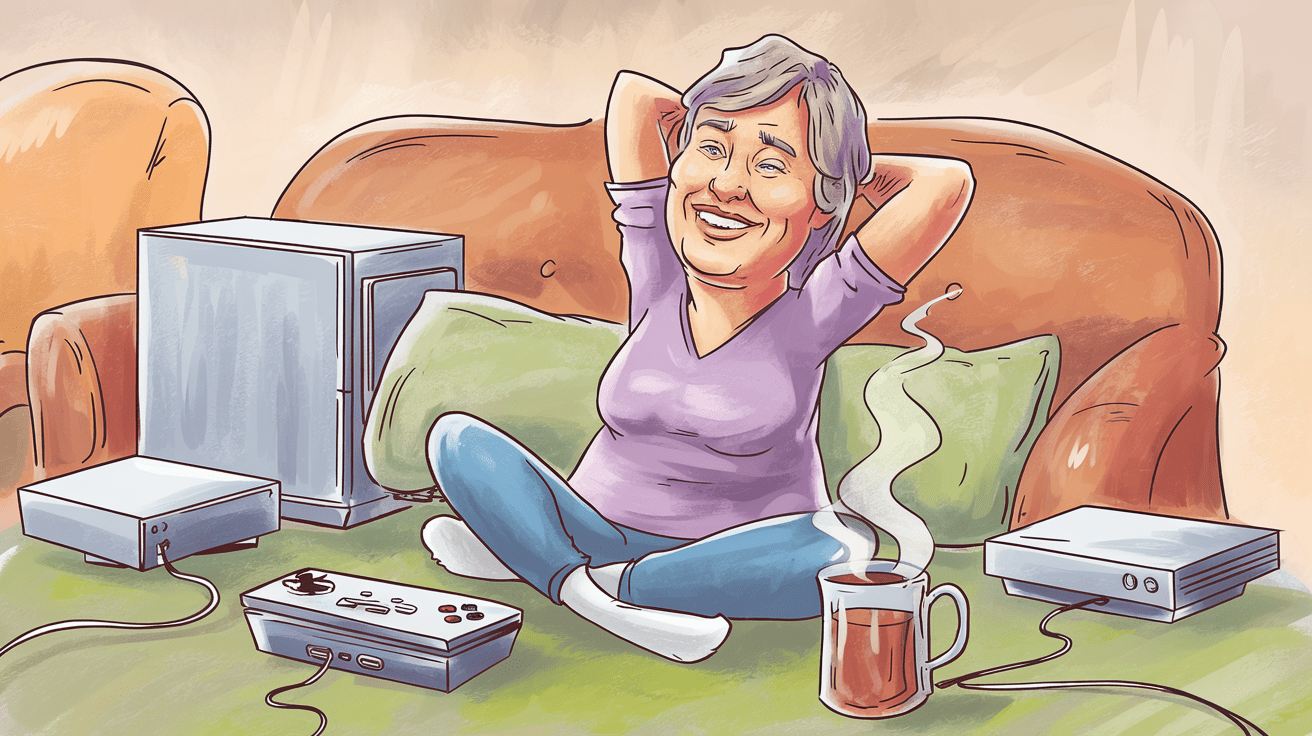
As avid gamers, we’ve all been there—marathoning our favourite game late into the night, losing track of time, and emerging bleary-eyed but triumphant. But as we get older, the signs of gaming fatigue can creep up more quickly. Whether it’s aching thumbs, sluggish reactions, or simply not feeling the joy we used to, gaming burnout is real. Recognising when to put down the controller is key to keeping gaming fun and sustainable for the long haul. Let’s explore how to spot the signs of burnout and strike a balance that keeps gaming enjoyable and fulfilling.
Recognising the Signs of Gaming Burnout
- You’re Not Having Fun Anymore
Games should be an escape, a way to relax and enjoy ourselves. If frustration, boredom, or apathy is replacing the thrill of victory, it might be time for a break. I have plenty of games I started and never finished because I just wasn’t enjoying myself. That’s when I knew I needed to pause. - Physical Fatigue and Discomfort
Older gamers can experience sore wrists, strained eyes, or even back pain from long gaming sessions. If your body feels worse after gaming than it did before, it’s a sign to assess your setup. Ergonomic chairs, proper lighting, and regular breaks can work wonders—but don’t ignore your body if it’s telling you to stop for a while. - Gaming Feels Like a Chore
When logging into your favourite MMORPG or picking up a controller feels more like ticking off a to-do list than indulging in a hobby, you might be dealing with burnout. Remember: hobbies are meant to be enjoyable, not another source of stress.
Tips for Finding Balance
- Set Healthy Limits
While “just one more level” is tempting, setting a timer or a hard stop for gaming can help you avoid overdoing it. Consider scheduling gaming sessions during times when you’re relaxed and alert, rather than late at night when exhaustion can amplify frustration. - Explore Different Genres
Sometimes, burnout stems from overindulging in one type of game. If you’re tired of first-person shooters, try a puzzle game or an adventure title. Mixing things up can rekindle your excitement for gaming. I had a blast switching to cosy games like Animal Crossing or The Sims when my shooter or MMORPG’s games started to feel too grindy. - Prioritise Social Gaming
Gaming with friends or family can refresh your perspective. Cooperative gameplay or friendly competitions often remind us why we fell in love with gaming in the first place—because it brings people together. - Rediscover Your Other Passions
Remember those hobbies you used to enjoy before gaming took centre stage? Whether it’s painting, gardening, or reading, taking time for other interests can help recharge your mental batteries. Plus, it’ll make returning to gaming feel all the sweeter.
Endgame Thoughts:
Gaming is a joy that knows no age limit, but like all good things, it requires moderation to stay enjoyable and the #funisageless mantra is for everything in life, not just gaming! By recognising the signs of gaming fatigue and being proactive about finding balance, you can ensure that this beloved hobby remains a source of happiness and relaxation. For me, understanding my limits and learning to listen to my body have been game-changers (pun intended). So, the next time you feel a twinge of frustration or an ache in your thumb, remember: it’s okay to put down the controller. You’ll come back stronger—and maybe even more excited—for your next gaming adventure.
 # Fun Is Ageless