
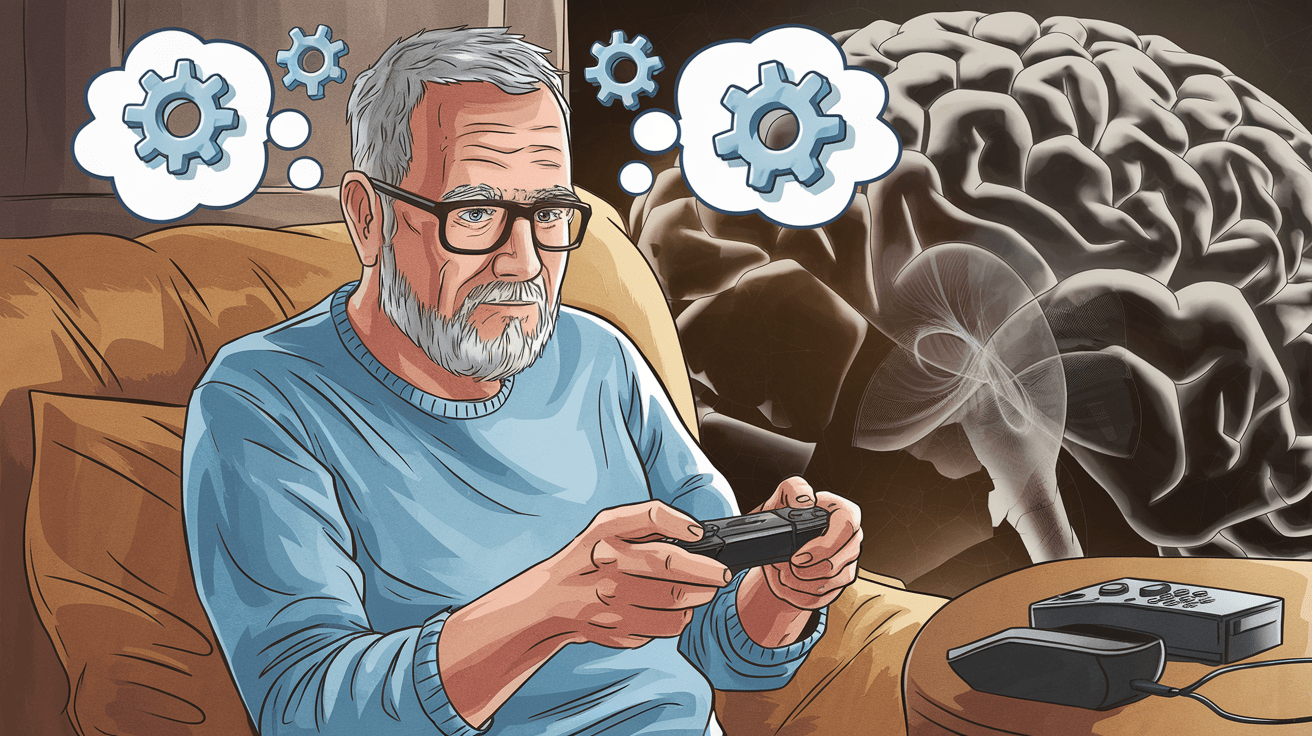
Gaming isn’t just for kids, hence our #funisageless mantra! It’s also a fantastic way for older adults to boost mental health, stay sharp, and have fun. If you thought gaming was just a way to pass the time, think again! In fact, studies have shown that gaming can have cognitive and mental health benefits, especially for older players. Whether you’re exploring immersive worlds, solving puzzles, or strategizing in a complex game, there’s a lot of brain power involved. Let’s dive into the mental benefits of gaming for older adults and how it can improve cognitive function, memory, and overall well-being.
- Cognitive Stimulation & Brain Health
Gaming, especially strategy games or puzzle-based ones, helps keep your brain sharp by stimulating cognitive functions. These games require you to think critically, solve problems, and plan strategies—skills that challenge your brain and keep it engaged. Games like “The Elder Scrolls V: Skyrim,” “Civilization VI,” or even mobile games like “Sudoku” and “Brain Age” are excellent for mental stimulation. Studies show that regular gaming can improve memory, problem-solving, and even slow the decline of mental functions like memory loss. - Stress Relief and Relaxation
Let’s face it: life can be stressful. Gaming offers a fun way to unwind. Engaging in a game helps distract you from daily worries and creates a space to relax. With games like “Stardew Valley,” where you can farm and build your community, or even more calming puzzle games, the focus shifts to the game world, giving your mind a break from stress and anxiety. Plus, with soothing visuals and soundtracks, many games offer a great mental escape. - Social Connection and Emotional Health
Gaming can connect you with others, and socialization is key to maintaining emotional health, especially for older adults. Whether it’s teaming up with friends on a co-op game like “Overcooked” or joining an online guild in “World of Warcraft,” gaming offers plenty of opportunities to make new connections. Being part of an online community or group helps you feel less isolated and adds an element of fun and friendship to your routine. This social engagement can do wonders for your emotional well-being. - Enhances Reflexes & Coordination
Gaming isn’t just about the brain—it’s also a great way to enhance physical coordination. Even games that don’t seem physically demanding, like turn-based RPGs, help improve hand-eye coordination and reflexes. For more active gaming experiences, consider trying motion-controlled games like those on the Nintendo Switch. These types of games can enhance your coordination and overall motor skills in a fun, interactive way. - Mental Accomplishment & Confidence
There’s a feeling of pride and accomplishment that comes with completing a difficult quest or finishing a challenging puzzle. For older players, this can be a great boost to self-esteem. Accomplishing goals, whether it’s finishing a level or unlocking a new achievement, provides a sense of fulfillment that can translate into real-world confidence. Plus, it gives you something to look forward to, keeping you mentally engaged and motivated.
Personally, I experienced this firsthand when I platinumed my very first PlayStation game, Assassin’s Creed Odyssey, in my late 40’s. It wasn’t just about unlocking the trophy—it was about the entire journey. Sure, there were times I hit walls with tricky puzzles or difficult sections, and I wasn’t shy about Googling a solution. But that didn’t take away from the immense sense of accomplishment I felt once I finished the game. It was proof that persistence pays off. On the flip side, there have been games I started but didn’t finish because they simply didn’t resonate with me. And you know what? That’s perfectly okay. If a game isn’t bringing you joy, don’t feel obligated to finish it. Gaming should always be about fun and engagement, not stress or frustration.
Endgame Thoughts
Whether you’re diving into epic new adventures or enjoying a relaxing, low-stakes game, gaming offers numerous mental health benefits. So, the next time someone questions your gaming habits, remind them that #funisageless—it’s all about staying sharp, having fun, and keeping your mind engaged. Keep playing, keep thriving, and never stop enjoying the game!

